
Major Topics
| Iconic image | Title | Summary |
|---|---|---|
|
|
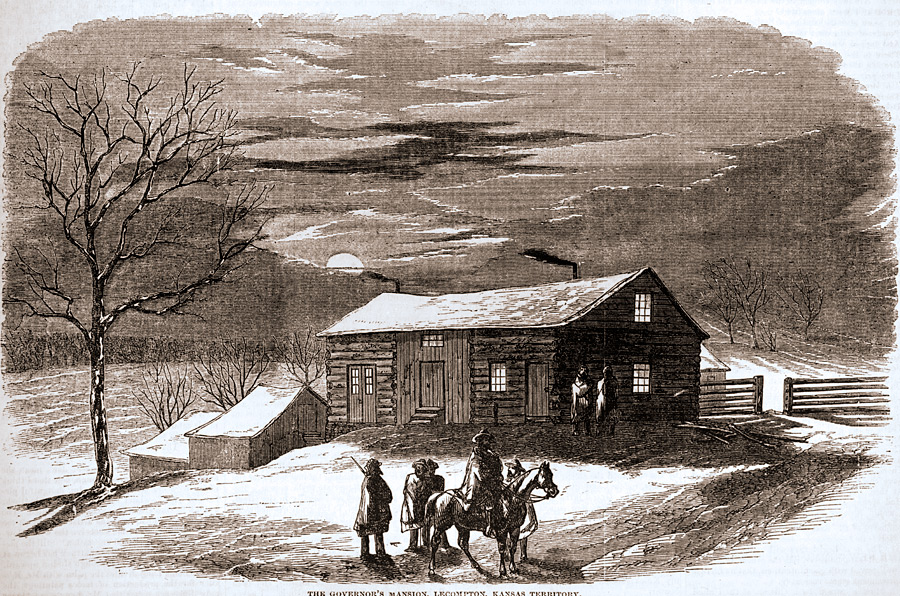
Lecompton | Pro-slavery and anti-slavery forces in Kansas battled over political control of the territory from its organization in 1854 until the end of the decade. No crisis during this period had weightier political consequences than the fight which erupted in 1857 and continued through 1858 over the drafting of a pro-slavery constitution in Lecompton. Adding to the controversary, when the pro-slavery legislature initially submitted the constitution to a referendum, they offered a "no slavery" option that actually included slavery and thus earned a boycott from free soil forces. The resulting "Lecompton swindle" as Republicans called it had the effect of dividing the Democratic Party because President James Buchanan insisted on accepting the dubious results of the election, while fellow Democrat Senator Stephen A. Douglas of Illinois rejected the fraud. Douglas was the leading advocate of "popular sovereignty" for the territories and could not bring himself to support a repudiation of this principle, but Buchanan demanded loyalty. The feud between the two leading Democrats helped set the stage for the Lincoln-Douglas Debates of 1858 and much of the subsequent break up of the national Democratic Party. The Congress ultimately rejected the Lecompton Constitution and Kansas entered the nation as a free state in 1861. (By Matthew Pinsker) |

|
Lincoln-Douglas Debates | The 1858 series of seven "joint discussions," as they were first called, between U.S. Senator Stephen A. Douglas and Illinois Republican Party leader Abraham Lincoln were unprecedented. Never before had men openly campaigned for senator, especially by engaging in a direct public contest filled with dramatic debates. People turned out by the thousands to hear these two political rivals debate the future of slavery in America, and newspapers across the country covered the exchanges. Democrats ultimately retained control of the assembly and reelected Douglas, but Lincoln knew he had done well for the new Republicans and for the anti-slavery cause, assuring correspondents afterward that the issue was "not half-settled." (By Matthew Pinsker) |
|
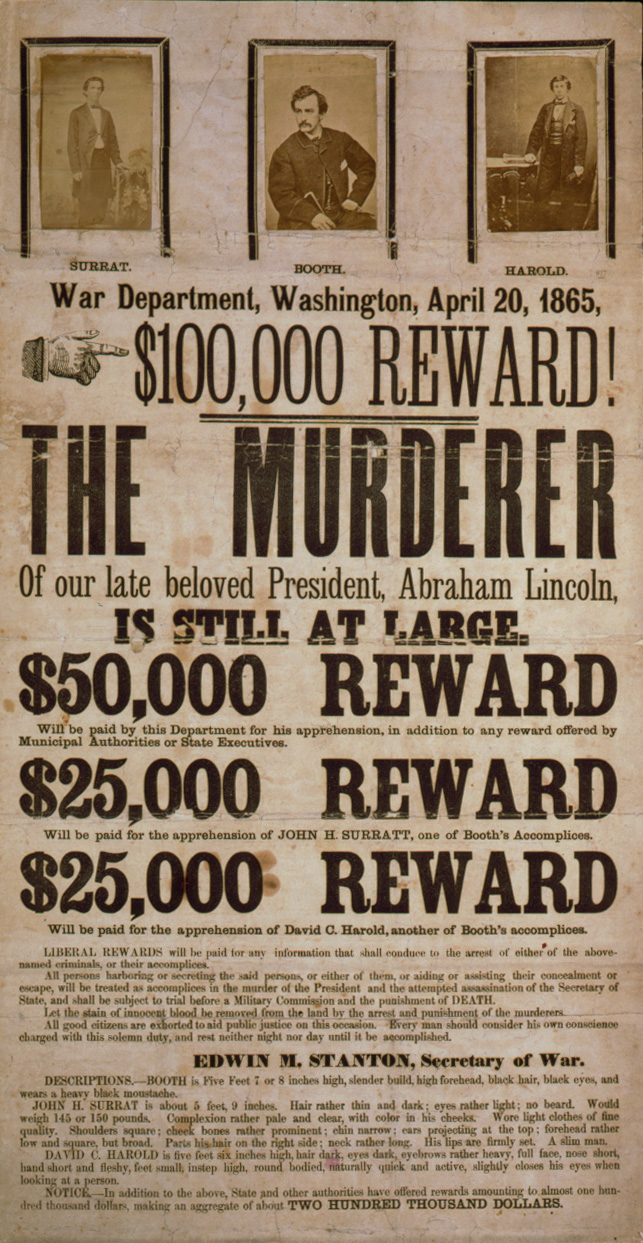
Lincoln's Assassination | |
|
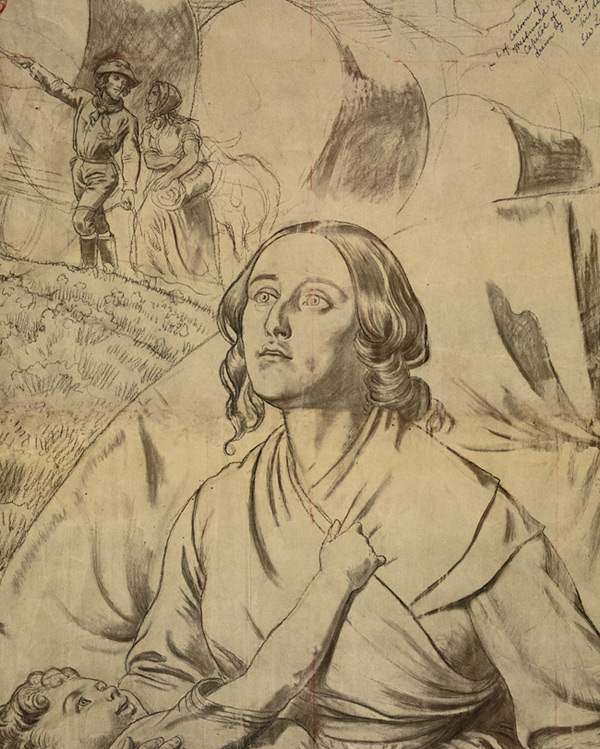
Manifest Destiny | |
|
Market Revolution | |
|
Mexican War | |
|
Panic of 1857 | |
|
Plains Indian Wars | |
|
Railroads | |
|
Reconstruction | |
|
Reconstruction Amendments | |
|
Red River Campaign | |
|
Republican Party | |
|
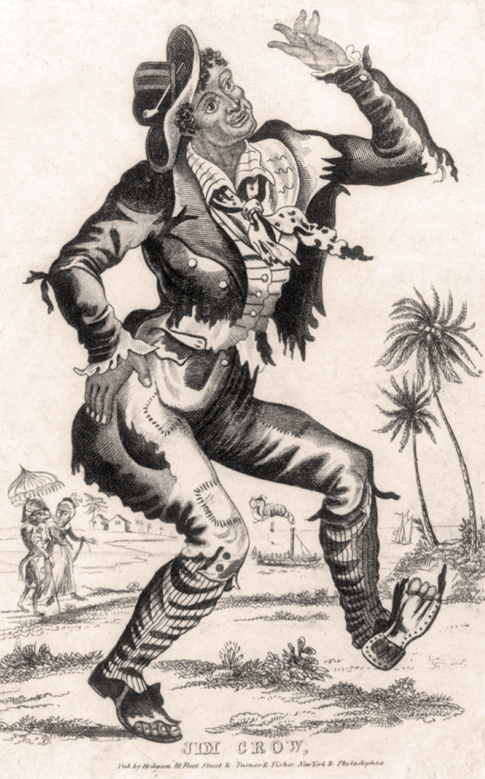
Rise of Jim Crow | |
|
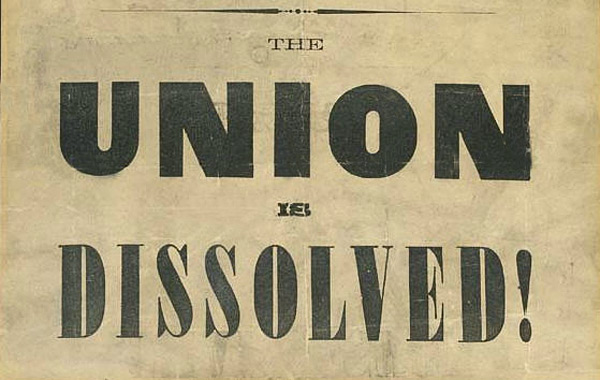
Secession | |
|
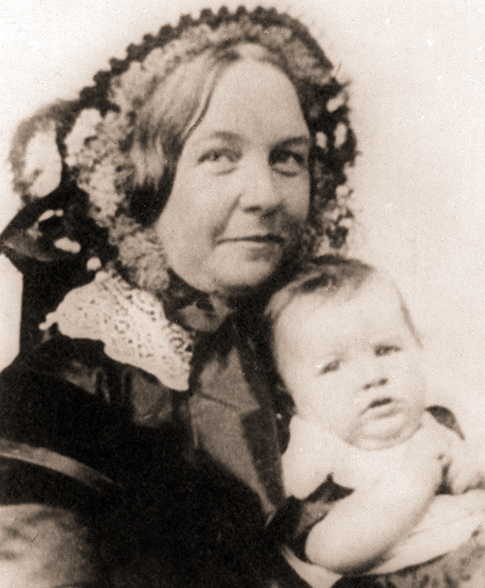
Seneca Falls | |
|
Sherman's March | |
|
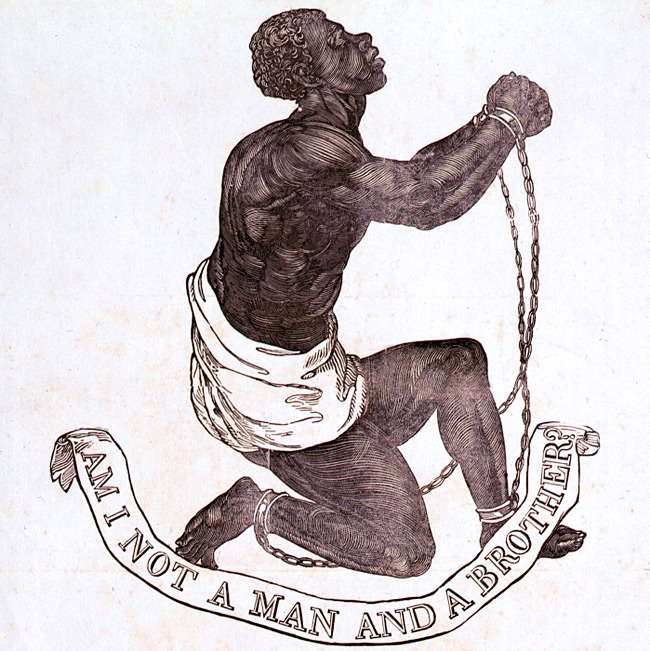
Slavery | Slavery in the future United States began in the early seventeenth century as European trading vessels brought Africans across the northern Atlantic to provide forced labor for the new colonies in places such as Virginia. Within a century, all of the colonies in British North America had developed forms of African chattel slavery. After the American Revolution and by the end of the eighteenth century, most northern states initiated plans to abolish slavery. Some southern states appeared at least on the surface to be moving in that direction until the invention of the cotton gin in the 1790s altered the trajectory of slavery's profitability in the South. During the first half of the nineteenth century, slavery expanded southwestward with astonishing speed creating what many began to call the "Cotton Kingdom." American slaves engaged in numerous activities besides cotton picking and experienced a wide array of conditions in their various forms of enslavement, but it was without doubt the vast antebellum cotton plantations that came to embody the great contrast between the South's "peculiar institution" and fast-growing northern factories and marketplaces. The Civil War ended this growing national division, destroying a great deal of white southern wealth in the process and ultimately leading to the downfall of Amerian slavery in 1865. (By Matthew Pinsker)
|
|
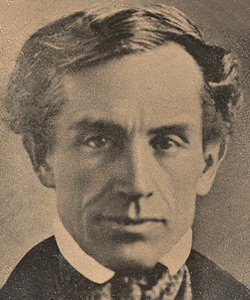
Telegraph | |
|
Test topic | This is a sample |